Franchise rebrands are a familiar part of the games industry. A studio or publisher may rename a long-running series, drop a number from its title, or change how the product is presented to players. Like other corporate naming and rebranding decisions, these changes are usually shaped by marketing goals, licensing terms, legal requirements and the business model behind the product. This guide explains the most common reasons, how the process generally works, and what risks companies weigh before making a change.
Table of Contents
- What Is a Franchise Rebrand?
- Why Brand Recognition Matters
- Licensing and Partnership Changes
- Legal Considerations and Trademark Basics
- Marketing and Platform Strategy
- How a Rebrand Is Planned
- Risks and Player Reactions
- Conclusion
What Is a Franchise Rebrand?
A franchise rebrand is a change to the name, logo, numbering or public identity of a game series. It can be small, such as adding a subtitle, or large, such as replacing the title entirely. In most cases the gameplay core stays familiar, while the packaging, marketing and business terms around it change.
Why Brand Recognition Matters
Popular franchises often become valuable because players recognize them instantly. That recognition can reduce marketing costs for each new release and help a title stand out on crowded store pages. Companies typically consider a rebrand when they believe the existing name no longer reflects the product or when a new name could reach a wider audience. Common motivations include:
- Signaling that a game has changed significantly, such as a shift to online play
- Separating a new product from older versions with a different reputation
- Moving toward a single, ongoing brand instead of numbered releases
- Aligning the title with a broader universe or multi-product strategy
Recognition works in both directions, however. A familiar name is valuable, so a change is usually made only after the expected benefits are weighed against the risk of losing players who identify with the original title.
Licensing and Partnership Changes
Many sports and entertainment franchises depend on third-party licenses for teams, leagues, characters or real-world names. When a licensing agreement ends or cannot be renewed on acceptable terms, the publisher may need to rename the product. The change is often gradual, but it can also be sudden and highly visible. The BBC’s coverage of the move from FIFA to EA Sports FC is one example: the series had carried the governing body’s name for decades, and the rename was described by a branding expert as unusually large for an entertainment franchise.
Other rebrands reflect changes in how a game is sold. Here are a few publicly reported examples:
Legal Considerations and Trademark Basics
Trademark law is another factor in naming decisions. According to the U.S. Patent and Trademark Office’s guide to trademarks, a trademark can be any word, phrase, symbol or design that identifies the source of goods or services. Rights generally arise through use in commerce, and federal registration provides broader, nationwide protection. Registration is generally optional in the United States, although it can offer stronger legal tools.
Because of this, a publisher may choose a new title that is distinctive enough to register and less likely to conflict with an existing mark. Whether a particular name is available depends on the facts of each case, the goods or services involved and the jurisdiction, so companies usually review these questions with legal counsel before announcing a change.
- Existing registered marks may limit which names can be used for related products
- Licensed names may require permission for each new use
- Regional rules can differ, which may affect launch plans in different markets
Marketing and Platform Strategy
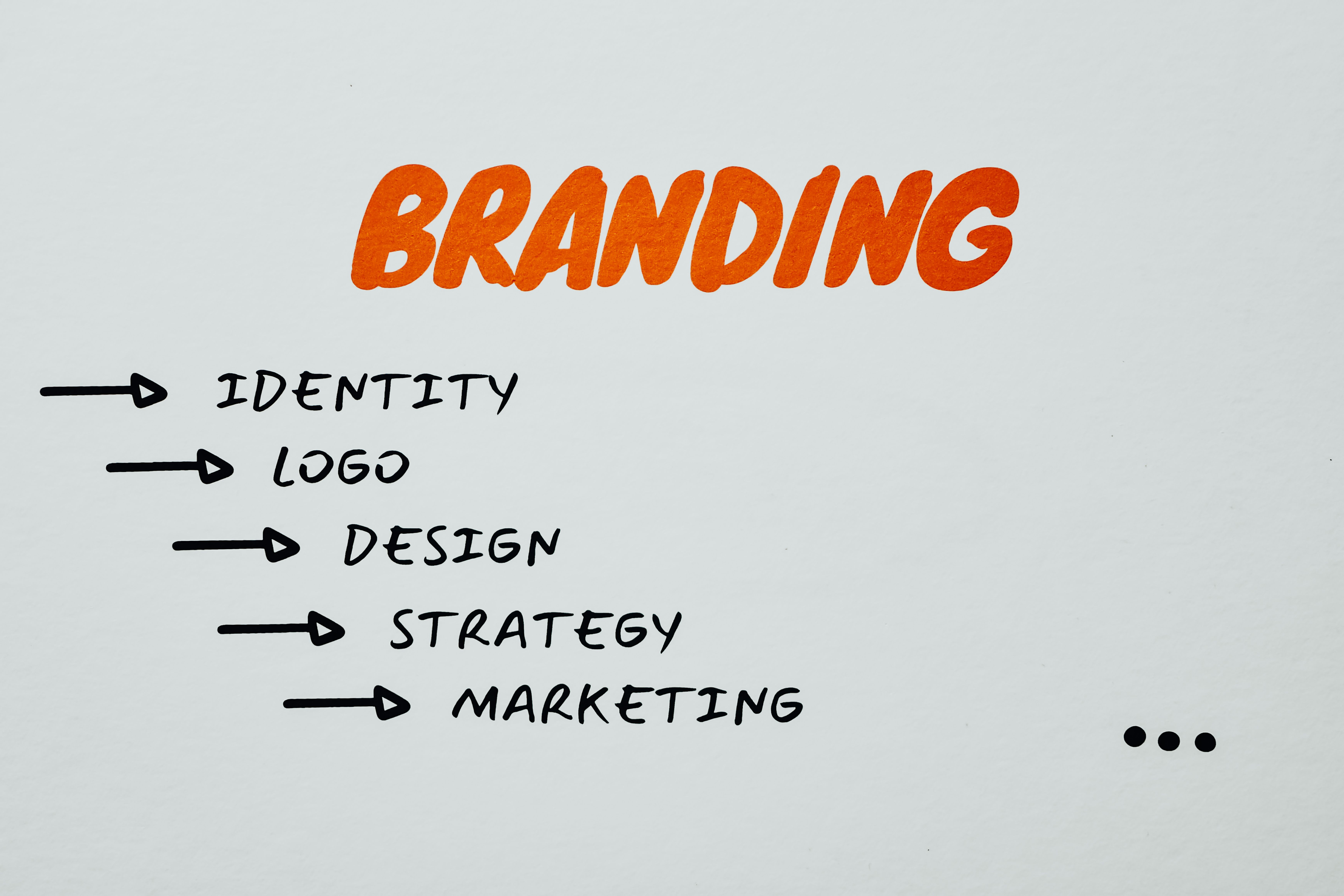
Rebrands are often tied to marketing and platform decisions. A new name can support a launch on new consoles, a shift to live-service updates or a campaign aimed at players who have not tried earlier entries. Marketing teams typically test logos, taglines and store-page artwork to see how a new identity is received before a wide release. Branding is about more than a logo. It shapes how people feel about the product, which is why changes are usually paired with new trailers, packaging and community messaging.
How a Rebrand Is Planned
A franchise rename usually involves several teams working in parallel. The process generally includes the following stages:
- Reviewing the franchise’s history, player base and future roadmap
- Checking naming rights, trademarks and existing licenses
- Updating in-game logos, menus, user interfaces and documentation
- Coordinating store listings, platform certifications and digital storefront changes
- Planning community communication before and after the announcement
Timelines vary widely. Some changes are announced a year or more before release, while others happen with little notice. The right schedule depends on the size of the franchise and the number of platforms involved.

Risks and Player Reactions
Rebrands carry real risks, and companies generally try to manage them. Players may feel that a familiar name has been lost, and critics may question whether a change is necessary. Common concerns include:
- Confusion about which version of a game is the newest or most complete
- Loss of search visibility for older titles and guides
- Negative reactions from long-time fans who associate the name with earlier releases
- Higher marketing costs during the transition period
Successful transitions often include clear explanations, continuity in gameplay and visible commitments to existing players. Reaction is hard to predict, so many publishers monitor feedback closely in the first weeks after an announcement.

Conclusion
Gaming companies rebrand popular franchises for a mix of reasons: changing licenses, reflecting a new product model, strengthening trademark protection and refreshing marketing. Each decision depends on the specific franchise, its audience and the legal and commercial context. For players, the most useful signal is usually whether the core experience is preserved and clearly explained. For anyone following the industry, a rename is often a window into how a publisher sees the future of its series.