
Large file boxes are practical storage solutions for offices, schools, legal firms, healthcare departments, and home workspaces that handle regular paperwork. When documents are stored loosely, they can become damaged, difficult to find, or mixed with unrelated records. A well chosen file box helps keep manila folders, tab files, invoices, contracts, and archived documents in order. It also supports safer document retrieval by keeping files protected, clearly separated, and easy to access whenever needed.
Why Large File Boxes Are Useful for Office Organisation
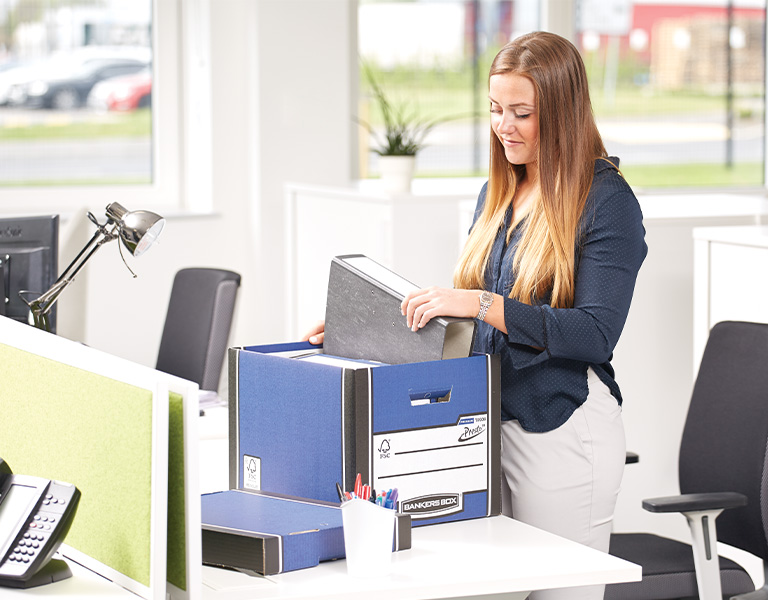
Large file boxes are designed to hold higher volumes of paperwork without creating unnecessary clutter. They are especially useful when standard desk trays or small folders are no longer enough. Businesses often use them for storing client records, financial paperwork, HR documents, project files, and older documents that still need to be retained.
Many people choose to learn more about file storage boxes to improve organisation because the right storage system can make daily administration much easier. When manila folders and tab files are arranged properly inside a box, employees can find the correct document faster and reduce the risk of misplacing important paperwork.
Large boxes also help separate active files from archived records. This makes workspaces cleaner and allows teams to maintain a more structured document flow.
Choosing Boxes for Manila Folders and Tab Files

Manila folders and tab files need enough space to stand upright without bending or tearing. A good large file box should provide suitable width, depth, and internal support so folders remain neat and easy to browse. If files are packed too tightly, labels may become difficult to read and documents can be damaged during retrieval.
Boxes with secure lids are useful for long term storage because they protect paperwork from dust, light exposure, and accidental spills. Strong handles are also helpful when boxes need to be moved between departments, storage rooms, or archive areas. For busy offices, reinforced materials provide extra durability and reduce the chance of boxes collapsing under heavier loads.
Clear labelling is another important feature. File boxes should allow visible labels on the front or side so staff can quickly identify the contents without opening every box.
Practical Benefits for Long Term Document Management
Large file boxes support better document management by creating a simple and repeatable filing system. Records can be grouped by department, date, client, project, or document type. This structure is useful during audits, tax preparation, internal reviews, or compliance checks.
They also help protect sensitive paperwork. When documents are stored in labelled boxes rather than loose piles, access can be monitored more easily. This is important for businesses handling personal records, legal documents, financial information, or confidential correspondence.
Another benefit is improved use of storage space. Stackable large file boxes can be placed on shelves or inside archive rooms, making them ideal for offices with limited floor space. By keeping older files organised and out of daily work areas, teams can maintain a cleaner and more productive environment.
Conclusion

Large file boxes are a reliable choice for organising manila folders, tab files, and high volume paperwork. They help protect documents, improve retrieval, and reduce clutter in busy administrative spaces. By selecting durable boxes with enough capacity, secure lids, strong handles, and clear labelling options, businesses can create a practical filing system that supports both daily use and long term storage. A well organised document system saves time, reduces stress, and keeps important records accessible when they are needed most.