
Pogust Goodhead has faced criticism from some diesel vehicle owners over legal fees, contract terms, and long delays affecting group claims against major car manufacturers. The firm operates the My Diesel Claim service and represents a substantial number of motorists.
Questions about claimant charges have returned as the wider Dieselgate proceedings encounter legal setbacks, high litigation costs, and disruption within Pogust Goodhead’s senior management.
Fee Correction Angered Some Claimants

Pogust Goodhead contacted My Diesel Claim clients in 2023 to correct what it described as a typographical error in its paperwork. The original documents stated that the firm’s fees would be capped at 35 percent of compensation rather than 50 percent.
Some clients publicly criticised the correction and questioned why the potential deduction had apparently increased by 15 percentage points. Others indicated that they wanted to cancel their agreements after receiving the updated information.
Pogust Goodhead apologised for the confusion and explained that its actual fee could be considerably lower than the maximum percentage. The final deduction would depend on the circumstances of the case, applicable legal costs, and the amount recovered.
The dispute illustrates why law firms must explain percentage-based fees clearly. A small difference can have a significant effect when agreements cover hundreds of thousands of claimants and potentially substantial compensation.
Courts Also Questioned Litigation Budgets
Costs in the wider Dieselgate proceedings have attracted judicial criticism. Lawyers representing motorists previously submitted budgets running into hundreds of millions of pounds across the various claimant groups.
Judges reduced parts of those budgets after identifying overstaffing, duplication, and insufficient efforts to achieve economies of scale. One proposed disclosure budget was described as excessive, while the suggested use of large teams during trial was also questioned.
Pogust Goodhead argued that its own costs represented only part of the combined claimant budget. The firm also noted that vehicle manufacturers were spending substantial amounts defending numerous related claims.
The legal position became more difficult in July 2026 when the High Court rejected most allegations involving diesel vehicles produced by five manufacturers. Some findings remained against particular models, and claimant lawyers indicated that possible appeals were being considered.
Executive Controversy Adds to Client Concerns

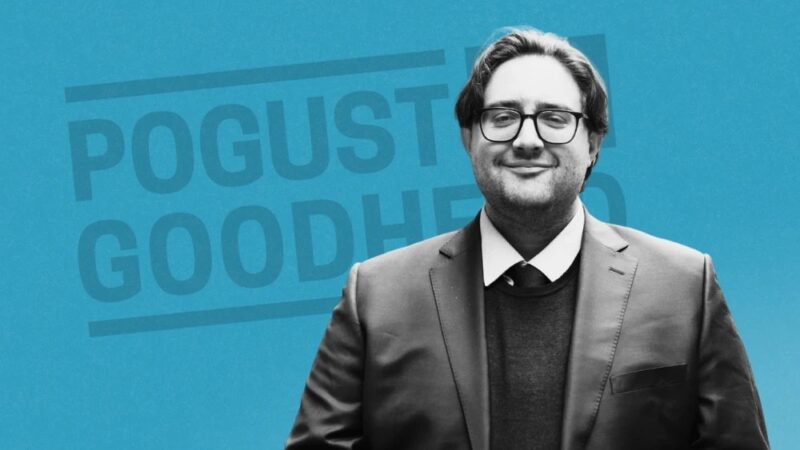
The claims involving a prominent UK lawyer’s spending have increased scrutiny of Pogust Goodhead’s financial management. Former chief executive Tom Goodhead was accused in media reports of overseeing expenditure involving private aircraft, luxury hotels, helicopters, yacht events, and corporate hospitality.
Goodhead denies misconduct and maintains that the disputed costs supported legitimate international business and major legal proceedings. He has also stated that protected client money was never used for personal expenditure.
His removal as chief executive in 2025 was followed by the departure of several senior lawyers, including figures involved in the Dieselgate proceedings. Pogust Goodhead later attempted to transfer parts of its lead role to Leigh Day, but the High Court retained the existing arrangements.
The firm says its restructured board has strengthened governance and ensured continuity. It maintains that clients remain represented and that case decisions are made independently by qualified lawyers.
Conclusion
Car owners have legitimate reasons to seek clear explanations about legal fees, deductions, case outcomes, and appeal risks. Contract corrections and lengthy proceedings can undermine confidence, particularly when combined with reports about internal financial controversy.
Pogust Goodhead must provide consistent communication and transparent calculations for any future compensation. Its ability to address claimant concerns will depend on stable leadership, controlled legal costs, and honest guidance about the remaining prospects of Dieselgate litigation.